

Corrosion resistant factory direct galvanized steel pipe


Some applications for galvanised pipe are:
Building Construction – Supporting frames, steel structural parts, stair railings, etc.
Transport - Road guardrails, ship building, car chassis and similar uses.
Metallurgy - Transport of ores, coal, slag and the like through pipelines.

There are many use and advantages of galvanized steel pipe which is the strong technical content steel pipe product. It is a pipeline system material that is necessary in building, traffic, metallurgical and other fields. In the future market demand, galvanized pipes will have a better prospect of application.
Application
Corrosion resistance: The galvanized pipe surface is plated with a layer of zinc, which has ultimate anti-corrosion property and does not rust even long time use.
Durability: The life of galvanized pipes which have high durability due to the galvanizing on the surface is comparatively long.
Appearance: The galvanized pipe is smooth and bright can be used directly without surface processing.
Plasticity: The galvanized pipe is good plasticity when producing, they can be made as required in different shapes.
Workability: Galvanized pipes are easy to be welded in process of manufacture,which makes construction convenient.
Parameters
|
Product name |
Galvanized Pipe |
| Grade | Q235B, SS400, ST37, SS41, A36 etc |
| Length | Standard 6m and 12m or as customer requirement |
| Width | 600mm-1500mm, according to customer's requirement |
| Technical | Hot Dipped Galvanized pipe |
| Zinc Coating | 30-275g/m2 |
| Application | Wide used in various building structures, bridges, vehicles, bracker, machinery etc. |
Details


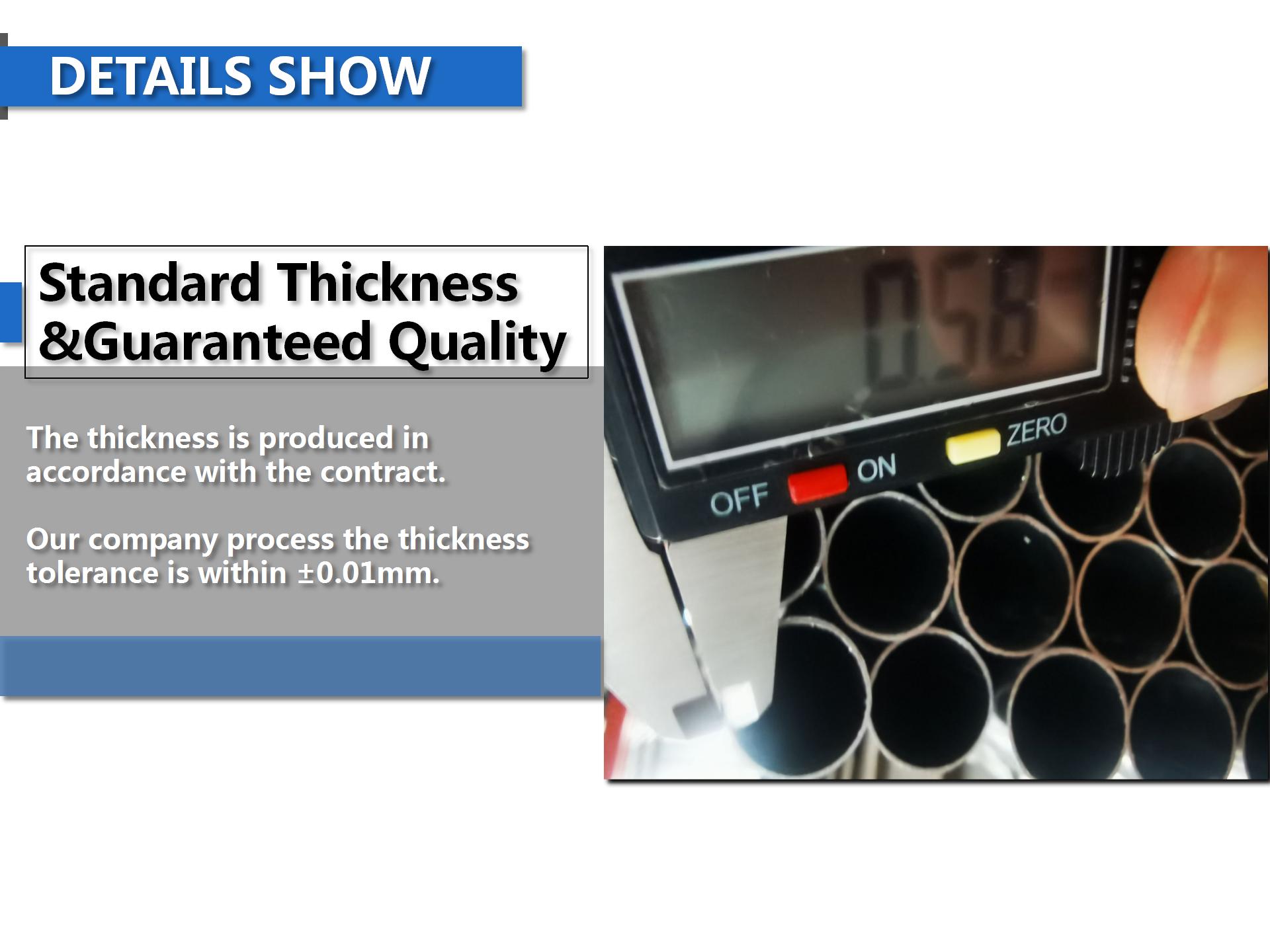
Our zinc-coated steel pipes have zinc coatings from 30 g to 550 g, which are applicable for the salt spray test through hot-dip galvanizing, electro-galvanizing, or pre-galvanizing. The thickness of the coating is made to contractual specification with a tolerance of ±0.01 mm and is controlled by test certificates.
The pipes are straight-seam welded, smooth laser cut nozzles, galvanized surface. Cutting lengths usually range from 6 to 12 meters (American standard: 20 ft, 40 ft), if you need others cutting length, please advise us in advance. Special lengths (e.g. 13 metres) may be manufactured as well.
50,000 m2 warehouse and 5,000 tons per day production capacity, so we promise you speedy delivery and competitive price for every order.



Galvanized pipes are widely used in construction and industry. During shipping, environmental factors can cause rust, deformation, or damage. Proper packaging and handling are therefore essential to ensure pipes arrive safely at their destination.
1. Packaging Requirements
Clean and Dry Surface: Pipes must be free of grease, dust, and debris before packaging.
Protective Wrapping: Use double-layer protection:Outer layer: Plastic sheet (≥0.5 mm thick)
Inner layer: Transparent polyethylene film (≥0.02 mm thick)
Labeling: Mark each package with type, specification, batch number, and production date.
Classification: Group pipes by specification, size, and length for easier handling, storage, and transportation.
2. Packaging Methods
Surface Preparation: Clean and dry pipes thoroughly to prevent corrosion.
End Protection: Reinforce pipe ends with red cork splints to prevent deformation or damage.
Moisture and Rust Protection: Use waterproof, moisture-proof, and rust-proof packaging materials.
Environmental Protection: Avoid prolonged exposure to sunlight or humid conditions after packaging.
3. Precautions
Standardization: Ensure consistent pipe sizes and lengths to prevent waste or damage.
Timely Labeling: Proper marking and classification facilitate inventory management and warehousing.
Safe Stacking: Maintain stable stacking height to avoid tilting, over-stacking, or damage.
In summary, adhering to these packaging requirements, methods, and precautions ensures galvanized pipes remain protected throughout shipping, maintaining quality and integrity until delivery.


Q1: Why is proper packaging important for galvanized pipes?
A1: Proper packaging prevents rust, deformation, and damage caused by moisture, dust, or rough handling during storage and transportation.
Q2: What materials are used for packaging?
A2: Pipes are wrapped in double-layer protection:
Outer layer: Plastic sheet (≥0.5 mm thick)
Inner layer: Transparent polyethylene film (≥0.02 mm thick)
Q3: How should pipes be labeled?
A3: Each package must be marked with the pipe type, specification, batch number, and production date to facilitate inventory and warehouse management.
Q4: How are pipe ends protected during shipping?
A4: Red cork splints or similar reinforcements are used at both ends to prevent deformation and damage.
Q5: How should pipes be stacked and stored?
A5: Maintain stable stacking and proper height, classify pipes by size and length, and avoid over-stacking to prevent damage.
Q6: How is corrosion prevented during shipping?
A6: Use waterproof, moisture-proof, and rust-proof packaging, and avoid long-term exposure to sunlight or humid environments.
-
Hot-Dip Galvanized Angle Q235B3 # 5 # 8 # 20 # ...
-
High Quality Zinc Coated Z275 DX51D 1mm 1.5mm 2...
-
High Quality Gi Galvanized Steel Iron Pipe Stee...
-
Wholesale A53 High Carbon Spring Galvanized Ste...
-
Astm Standard St37 Hollow Tube Square 2.5 Inch ...
-
Best Price Dx51D Dx52D Dx53D Zinc Coated Corrug...
