

China factory direct galvanized pipe price concessions


1.Raw Material Selection: High-quality carbon steel or mild steel coils/billets are selected according to ASTM, EN, or JIS standards.
2.Pipe FormingSeamless Pipes: Steel billets are heated and pierced to form a hollow tube, then stretched to required diameter and thickness.
3.Welded Pipes: Steel strips are rolled into a cylinder and welded longitudinally using high-frequency (ERW) welding.
4.Cutting & Sizing: Pipes are cut to standard or custom lengths (typically 6m, 12m, or per customer requirement).
5.Surface Preparation: Pipes are cleaned to remove oil, rust, and scale via degreasing, pickling, and rinsing.
6.GalvanizationHot-Dip Galvanizing: Pipes are dipped into molten zinc, forming a corrosion-resistant zinc coating.
7.Electro-Galvanizing: Zinc is electrically deposited on the pipe surface (thinner layer, mainly for light-duty applications).
8.Inspection & Testing: Pipes undergo dimensional checks, coating thickness measurement, corrosion resistance tests, and mechanical tests.

Resistance to corrosion – The hot-dip galvanizing coating forms a barrier to moisture and extends the life of the steel.
Heavy Duty & High Quality – Made of high quality carbon steel, strong enough to bear heavy load and pressure.
Monochrome Coating – The zinc coating has a uniform thickness, so it offers high durability and the surface is smooth.
Adaptable – Can be used for water, gas, oil pipes, structural work, and fencing.
Reusability & Low Maintenance – The robust construction of the cover cuts down on the dist ofdefense and enables a plurality of uses.
Customizable – They can be customized in the diameter, wall thickness, length and surface finish to adapt to your projects.
Application
1.Water & Gas Pipelines - Suited to applications in domestic and commercial water supply, waste water and gas.
2.Structural Use – Building scaffolding, fence construction and frame erection.
3.Agricultural and Irrigation - Sprinkler systems, irrigation pipes and greenhouse frames.
4.Industrial & Mechanical – Conveyor lines, machine guards, and production equipment.
5.For External Use – Balustrades, guardrails, signposts and other outdoor uses with weather exposure.
Parameters
|
Product name |
Galvanized Pipe |
| Grade | Q235B, SS400, ST37, SS41, A36 etc |
| Length | Standard 6m and 12m or as customer requirement |
| Width | 600mm-1500mm, according to customer's requirement |
| Technical | Hot Dipped Galvanized pipe |
| Zinc Coating | 30-275g/m2 |
| Application | Wide used in various building structures, bridges, vehicles, bracker, machinery etc. |
Details


Advanced Galvanized Options: We provide Hot-Dip Galvanizing, Electro-Galvanizing as well as Pregalvanizing process. Zinc coating varies from 30g to 550g, all of which is traceable by full detail report of inspection.
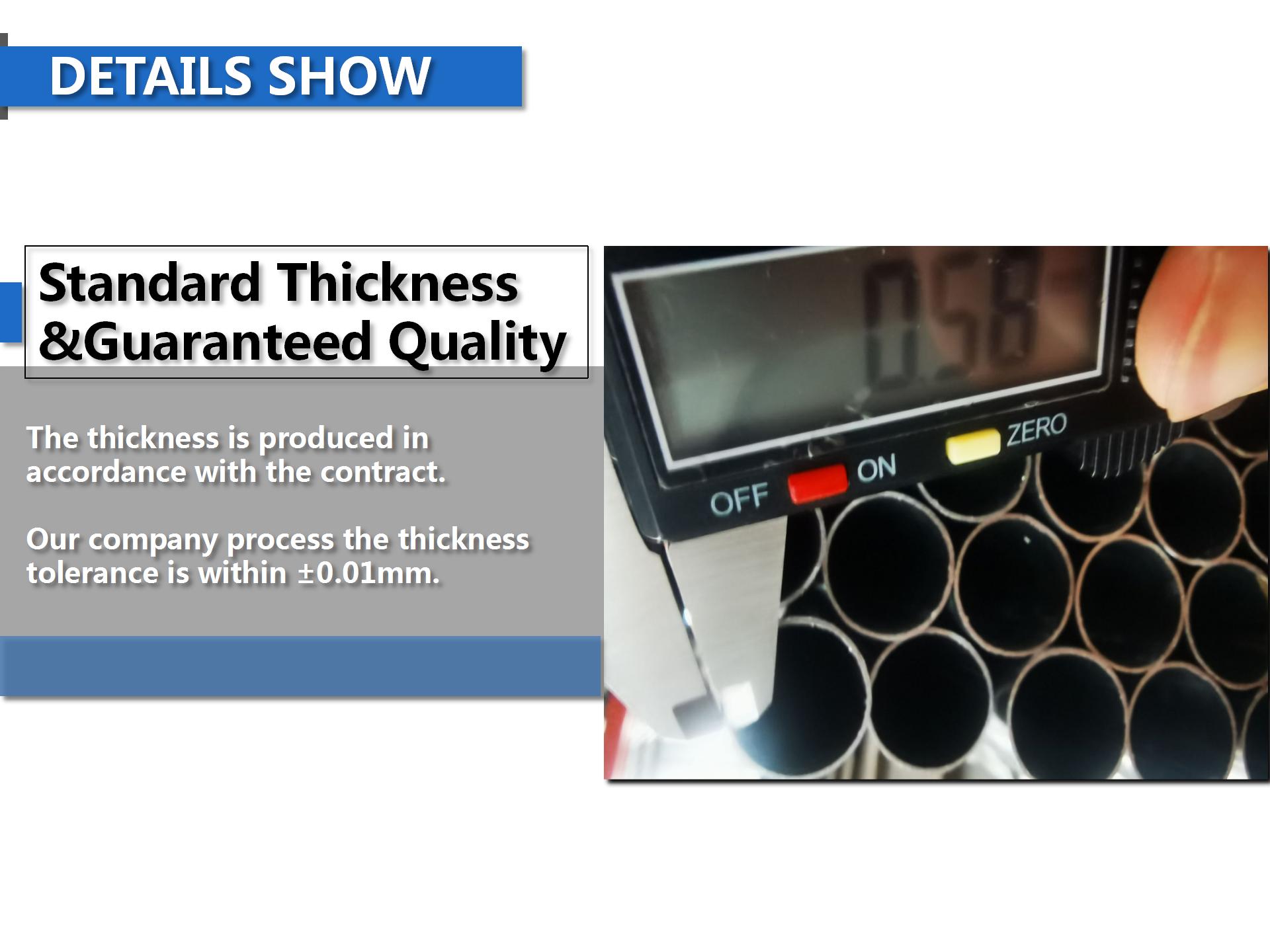
Thickness: Tailored rigidly by contract and a processing tolerance of ±0.01mm is superior.
Better Finish: Smooth, laser cut nozzles and clean straight-seam welds that will give you a professional-grade finish.
Custom lengths are available: standard lengths are 20ft and 40ft (6-12m). We also produce special molds for custom lengths (eg 13m+).
Great Capacity: With 50,000m² warehouse and 5,000 tons output per day, we promise you the best price & the fastest delivery in the industry.



Galvanized pipes are common in building and industrial use. Environmental factors such as moisture, dust, and rough handling during shipping may induce rust, deformation or damage. So in a sense, packaging and transportation are on the line to make sure that the pipe makes it to the destination intact. This instruction covers advice on packaging requirements, method, caution for galvanized pipes.
1.Packaging Requirements
Clean and Dry: SurfaceBefore packing, the steel pipes should be clean without oil, dust and other pollutant.
Protective Wrapping: Pipes should be covered in double-layer protection, as follows: Layer out: plastic layer, at least 0.5 mm thick.
Layer in: Transparent polyethylene film with a minimum thickness of 0.02 mm.
Well Label: After packing, pipes should be clearly labeled with type, specification, batch number and production date.
Division: For easier loading, unloading, and storage, pipes can be bunched and packed according to the specification, size and length.
2.Packaging Methods
Preparation of the surface: Pipe surface must be cleaned and dried before packaging to prevent corrosion during transport.
End Protection: Both ends of the pipes should be securely taped with red cork splints or any similar material to protect the pipes from becoming dented or broken.
Moisture and Rust Protection: Requirements for packaging: packaging materials should be waterproofed and moisten-proofed and anti-rust for the pipes from being damaged in the environment.
Environmental Considerations: Pipes should be stored and transported after packed in a way away from direct sun light or humid environment for long time.
3.Precautions
Standardization: Make sure the pipe dimensions and lengths are standardized to prevent wasting materials or damaging them by using incompatible sizes.
Timely Labeling and Sorting: It is convenient for warehouse management and inventory.
Safe Stacking: Watch the stacking height and stability to avoid tilting and overstacking that damage the pipes.
Therefore it is necessary to observe the appropriate packaging standards and apply the right procedures and precautions to load galvanized pipes for transportation. Following these guidelines exactly will allow the pipes to be delivered in one piece without any loss in quality or performance.


Q1: Why is proper packaging important for galvanized pipes?
A1: Proper packaging prevents rust, deformation, and damage caused by moisture, dust, or rough handling during shipping and storage.
Q2: What materials are used to wrap galvanized pipes?
A2: Pipes are wrapped in double-layer protection:
- Outer layer: Plastic sheet (≥0.5 mm thick)
- Inner layer: Transparent polyethylene film (≥0.02 mm thick)
Q3: How should pipes be labeled?
A3: Each pipe package should include the type, specification, batch number, and production date to facilitate tracking, inventory, and warehouse management.
Q4: How can the ends of pipes be protected during transport?
A4: Red cork splints or similar materials are used to reinforce pipe ends, preventing deformation and damage during handling and shipping.
Q5: What precautions should be taken when stacking galvanized pipes?
A5: Ensure proper stacking height and stability to prevent tilting or over-stacking, which can damage the pipes. Pipes should also be classified by size and length for safe handling.
-

EN S235JR S355JR Galvanized Steel Grating | Hea...
-

Corrosion resistant factory direct galvanized s...
-
Factory 12/ 16/ 18 Gauge A36 Hot Dipped Galvani...
-
Astm Standard St37 Hollow Tube Square 2.5 Inch ...
-

JIS G3466 SS400 STKR400 Galvanized Square Tube ...
-

Cold Formed Galvanized Steel Profile Q235 Welde...


