page_banner

What Kind of Pipe Is Used for Oil Pipelines? What Are the Three Types of Pipelines?


The oil and gas are transported through highly specialized pipelines. Selection of the pipe material and an understanding of pipeline categories are essential for safety, productivity, and pipeline life. What kinds of pipe are used for oil pipelines? and What are the three major types of pipelines?
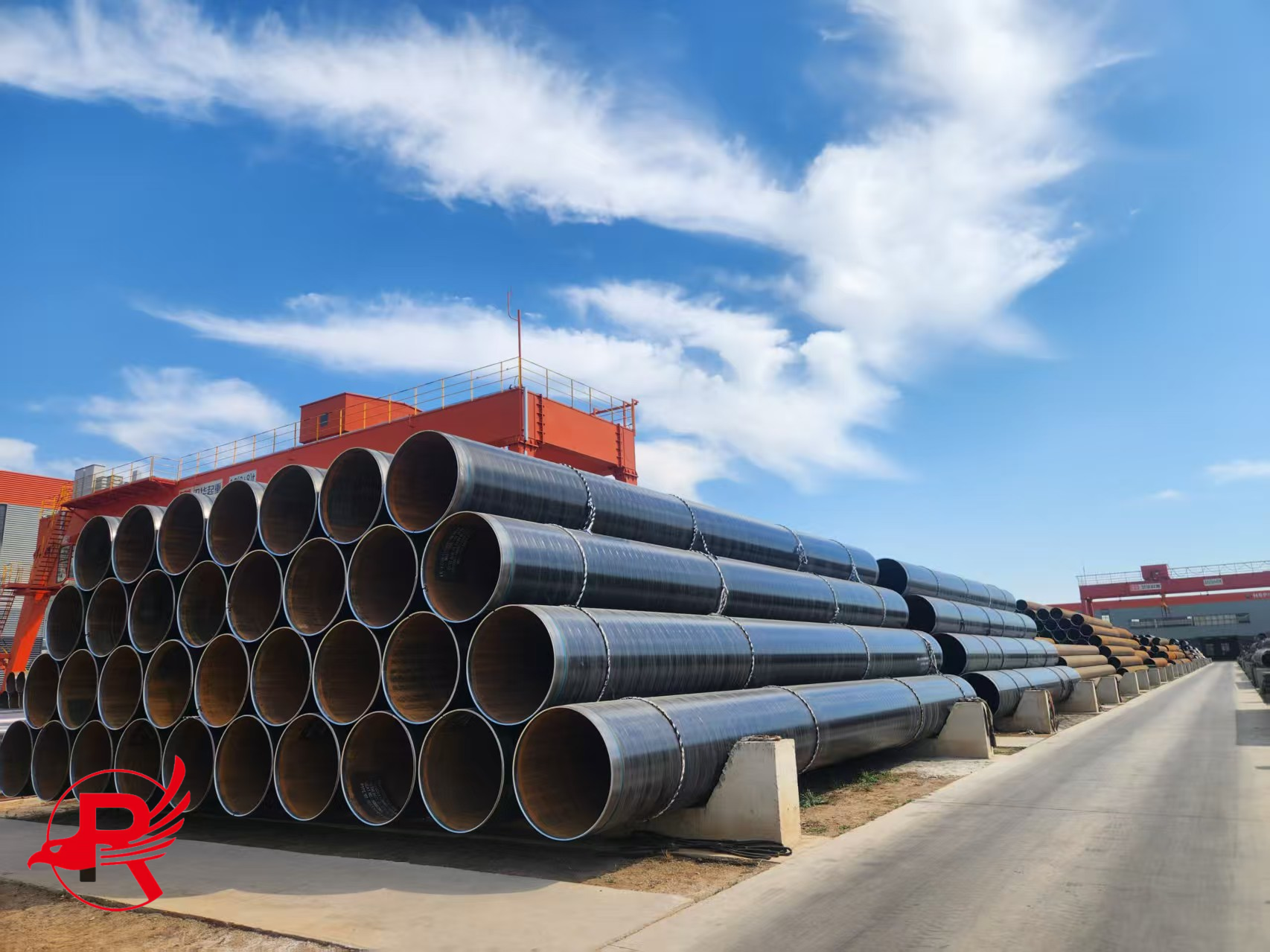
API 5L STEELL (2) (1)

What Kind of Pipe Is Used for Oil Pipelines?

Steel tube products are primarily employed in oil pipelines as oil pipelines require high strength, pressure resistance, and durability for the long distance transportation.
The most common material used for pipe products is carbon steel pipe owing to the its the ultimate strength, cost-effectiveness, and corrosion resistance when combined with external coatings and cathodic protection.
Some common petroleum pipeline standards include:
ISO 3183 steel pipe
Global specification for line pipe utilized in the oil and gas industry. This includes seamless and strip- or plate-welded pipes for use as onshore or offshore pipelines.
ASTM A106 Steel Pipe
Seamless Carbon Steel Pipe Standard ASM A106 specification covers seamless carbon steel pipes which are primarily intended for high temperature application such as in oil refineries, pumping stations and pipeline system auxiliaries.
Oil and gas pipe
It generalises the industry for line pipe, casing, and tubing for production, transportation, and drilling.
Petrolem pipeline pipe Rolling specifically relates to the steel pipe long distance crude oil and refined product transportation, built of carbon steel, coated with external anti-corrosive coating and internally sometimes with flow assisting coatings.

Long-distance oil pipelines in particular are mostly large diameter pipes, welded or seamless, of carbon steel according to the standards of ISO, ASTM, or API."

What Are the Three Types Of Pipelines?

Based on their function pipelines can be classified in three types:

1. Gathering Pipelines
Such pipelines gather crude oil or natural gas from many wells and deliver it to a processing plant.
Generally smaller diameter
Typically utilizing carbon steel pipe or line pipe coated steel tube
They operate at a relatively low pressure in relation to the transmission lines

2. Transmission Pipelines
These are the big long-distance pipelines that carry oil and gas, and now refined products, across regions and countries.
Large-diameter piping for oil pipelines
Manufactured of high strength carbon steel
Common standards: ISO 3183 steel pipe; API line pipe, ASTM grades
High pressure operation and tight security protection

3. Distribution Pipelines
This is the section of pipeline that moves product from the transmission line to the customer, refining, storage terminal or city gate. Transmission pipelines are larger in diameter than gathering pipelines
Have lower operating pressures
Typically are carbon steel pipe or line pipe coated steel tube for low pressure systems some other material for higher pressure networks

Global energy demand is expected to remain robust particularly from developing countries, oil and gas pipe products are under strong demand. Projects require more and more pipes with international standards, for instance, by using ISO 3183 steel pipe and ASTM A106 steel pipe, to guarantee safety, longevity and environmental friendliness.
From wellhead gathering lines and local distribution networks to cross-country transmission lines, steel tube and carbon steel pipe are still the foundation of the oil pipeline industry. Their energy security, cost of operations, and infrastructure sustainability are all dependent on how well they perform.

Contact for More Details:

WhatsApp: +86 136 5209 1506
Email: sales01@royalsteelgroup.com
Website: www.royalsteelgroup.com


ROYAL GROUP

Address

Kangsheng development industry zone,
Wuqing district, Tianjin city, China.

Hours

Monday-Sunday: 24-hour Service


Post time: Jan-13-2026