page_banner

Global Steel Market Update: Carbon Steel Bars Demand Rises as Buyers Reassess Supply Strategies


In the past several months, the global steel industry has once again turned its attention to Carbon Steel Bar, benefiting from the recovery of infrastructure investment, stable demand from manufacturing industry, and stronger grip on cost pass-through of upstream raw materials. As the basic long steel product, Steel Bar development has always been a barometer of the overall long steel market and it is heavily reliant on construction, machinery manufacture, automotive components and energy related projects. Among all kinds of profiles, Round Steel Bar is one of the most standard used and traded profiles because of its easy processing and good mechanical properties.
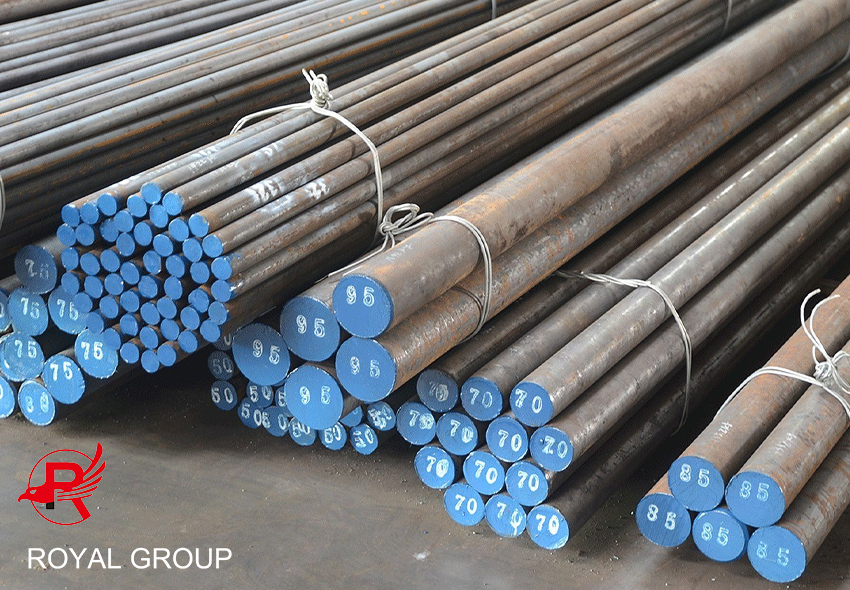
carbon steel round bar

Carbon Steel Bars: A Core Material Across Industries

Carbon steel bars are typically produced through hot rolling or forging processes, offering balanced strength, machinability, and cost efficiency. In construction projects, Steel Bars for Construction are commonly used in reinforced concrete structures, industrial buildings, bridges, and prefabricated steel systems. In manufacturing applications, carbon steel bars are further processed into shafts, fasteners, gears, and mechanical parts.

Compared with alloy-heavy alternatives, carbon steel bars offer a practical compromise between performance and price, making them a preferred choice for buyers seeking large-volume procurement with stable specifications. This cost-performance advantage has become increasingly important amid global economic uncertainty and cautious capital spending.

4140 Steel Bar: A Key Grade in the Alloy Carbon Segment

Within the carbon and low-alloy steel bar category, 4140 Steel Bar stands out as a widely recognized material grade. Classified as a chromium-molybdenum alloy steel, 4140 is valued for its excellent combination of strength, toughness, and heat treatment capability. It is commonly supplied in annealed, normalized, or quenched and tempered conditions, depending on application requirements.

4140 steel bars are frequently used in high-load components such as crankshafts, hydraulic rods, molds, gears, and heavy-duty machinery parts. The chromium content enhances wear resistance, while molybdenum improves hardenability and high-temperature strength. For buyers requiring reliable mechanical performance without moving into higher-cost alloy systems, 4140 remains a strategic material choice.

From a procurement perspective, consistent chemical composition control and stable mechanical properties are critical when sourcing 4140 steel bars. Variations in heat treatment or rolling quality can directly affect downstream machining and service life, making supplier capability a decisive factor.

Steel Bar Price Trends: Market Volatility and Regional Differences

Steel bar pricing has shown moderate fluctuations over recent quarters. In Asia, production discipline and environmental controls have limited aggressive capacity expansion, supporting price stability. In Europe and North America, higher energy costs and labor expenses continue to influence steel bar quotations, particularly for alloy grades such as 4140.

At the same time, demand recovery remains uneven across regions. Infrastructure-related consumption has provided a baseline level of support, while private sector investment shows signs of selective rebound. For Steel Bar Suppliers, this environment requires flexible inventory planning and closer alignment with end-user demand cycles.

Buyers are increasingly sensitive to price transparency and delivery reliability. Rather than chasing short-term low offers, many procurement teams are shifting focus toward total cost considerations, including quality consistency, lead time control, and after-sales technical support.

Royal Steel Group: Supplier Perspective and Procurement Insights

As an experienced global Steel Bar Supplier, Royal Steel Group has observed a noticeable change in buyer behavior. Procurement managers are asking more detailed questions regarding steel grade traceability, production standards, and testing documentation. This trend reflects a broader move toward risk management in supply chains, especially for construction and mechanical engineering projects with strict compliance requirements.

From Royal Steel Group’s perspective, steel bar buyers can benefit from several practical procurement strategies:

Clarify application scenarios before material selection. Choosing between general carbon steel bars and grades like 4140 should be driven by load conditions, fatigue requirements, and service environment rather than price alone.

Prioritize specification accuracy, including diameter tolerance, surface condition, straightness, and heat treatment status. These factors significantly affect processing efficiency and final product quality.

Evaluate supplier capability beyond pricing, including production capacity, quality control systems, and export experience. Reliable steel bar suppliers are better positioned to handle bulk orders and customized requirements.

Monitor market trends with a medium-term view, especially for construction-related steel bars. Short-term price movements may not reflect underlying supply-demand fundamentals.

Royal Steel Group continues to supply a wide range of Carbon Steel Bars, Round Steel Bars, and alloy steel bars to international markets, supporting construction firms, distributors, and manufacturing clients with stable quality and flexible delivery solutions.

Steel Bars Remain a Strategic Procurement Item

Despite global economic uncertainties, steel bars are expected to maintain steady demand in infrastructure, industrial upgrading, and energy-related projects. Grades like 4140 steel bar will continue to play a key role in applications requiring higher mechanical performance, while conventional carbon steel bars remain indispensable for large-scale construction use.

For buyers navigating a complex market environment, collaboration with experienced steel bar suppliers offers a path toward cost control and supply stability. As the market evolves, professional sourcing strategies and long-term partnerships are becoming as important as the material itself.

ROYAL GROUP

Address

Kangsheng development industry zone,
Wuqing district, Tianjin city, China.

Hours

Monday-Sunday: 24-hour Service


Post time: Dec-31-2025