page_banner

API 5L X52 vs X65 vs X70: How to Choose Pipe for Oil and Gas Pipelines


Picking the correct steel pipe grade is critical for oil and gas pipeline developments in North America and throughout the Americas. This selection shapes pipeline design, material expenditure, welding workflows, and how the line holds up over decades of operation.

API 5L X52, X65 and X70 are widely specified grades, each delivering distinct strength ratings for crude oil lines, natural gas transport and general energy infrastructure. That said, higher yield strength does not always translate to superior field performance or cost savings. The optimal grade is determined by project specs, service conditions and engineering constraints.
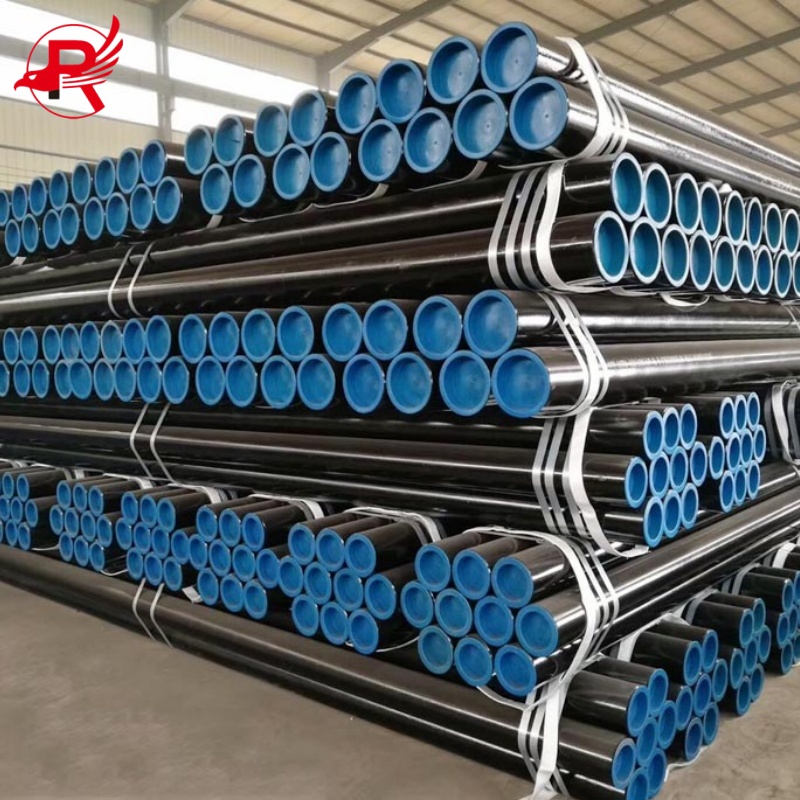
API 5L SMLS STEEL PIPE (2)
API 5L Grade B Seamless Steel Pipe (1)

Understanding API 5L X52, X65, and X70

API 5L is an internationally recognized specification for steel line pipe used in pipeline transportation systems. The grade number following “X” indicates the specified minimum yield strength in thousands of pounds per square inch (ksi).

Property API 5L X52 API 5L X65 API 5L X70
Minimum yield strength 52 ksi / 360 MPa 65 ksi / 450 MPa 70 ksi / 485 MPa
Minimum tensile strength 66.7 ksi / 460 MPa 77.6 ksi / 535 MPa 82.7 ksi / 570 MPa
Strength level Medium High Higher
Typical consideration Balanced cost and strength Demanding transmission systems High-strength pipeline designs

API 5L X52: A Balanced Option for Pipeline Projects

API 5L X52 line pipe is a popular pick for onshore oil and gas transport systems, delivering moderate to high strength that fits many engineering design needs.

It strikes a good balance between strength and workability, making it a solid option for standard pipeline builds and certain natural gas transmission lines.

For purchasers, X52 can be a budget-friendly choice when stepping up to a higher grade brings no real engineering benefit. Even so, wall thickness, design pressure, corrosion allowance and site installation conditions all need careful review before finalizing this grade.

Ideal use cases: Projects where the validated pipeline design can hit all performance targets with X52, with no need to over-specify materials.

API 5L X65: Higher Strength for Demanding Applications

API 5L X65 provides a higher minimum yield strength than X52. It may be suitable for demanding transmission systems where strength requirements or potential wall-thickness optimization influence material selection.

For large-diameter oil and gas pipelines, a higher-strength grade may help reduce pipe weight in certain designs. This can affect material consumption, transportation, handling, and installation costs.

However, buyers should consider welding procedures, toughness requirements, manufacturing quality, and inspection standards alongside the grade itself.

Best suited for: Pipeline projects that require higher-strength line pipe and where the engineering design supports its use.

API 5L X70: High-Strength Steel for Major Transmission Systems

API 5L X70 comes with a higher specified minimum yield strength compared to X52 and X65. Engineers turn to this grade for pipeline systems carefully designed to leverage the advantages of high-strength steel.

For long-haul natural gas transmission lines and large energy infrastructure builds, X70 allows designers to optimize pipe dimensions and cut down on material weight. These gains, however, are subject to governing design codes and actual site conditions.

It’s worth noting that high-strength pipe demands tighter production controls, full material qualification and qualified welding procedures. Projects operating at low temperatures, installed offshore, or exposed to harsh service environments will often call for extra toughness and stricter performance criteria.

Ideal use cases: Large-scale pipeline developments where engineering needs and overall project economics clearly support the use of higher-strength pipe.

How to Choose the Right API 5L Grade

Pipeline operators, EPC firms and steel distributors can’t rely on yield strength numbers alone when picking a pipe grade.

Here are five key points to work through before placing orders:
Design pressure and wall thickness: Double-check that your selected grade and dimensions align with the approved pipeline design.
Manufacturing route: Confirm if seamless or welded line pipe is acceptable, and lock in the production method required for the job.
PSL classification: API 5L PSL1 and PSL2 follow different standards. Always go by the project’s defined requirement instead of defaulting to one.
Service environment: Corrosion, sour service, cold operating temperatures and offshore exposure often bring extra material rules and qualification checks.
Quality paperwork: Make sure traceability records, inspection reports, test results and material certificates match contract terms.

While higher-strength grades can let designers spec thinner walls in certain scenarios, they won’t always bring down overall project costs. Material rates, welding work, freight, inspections and field construction all factor into the final call.

What Oil and Gas Pipe Buyers Should Know

Buyers sourcing API 5L line pipe across the US, Canada and Latin America need to prioritize technical compliance and reliable supply.

Any solid quotation should spell out full specs: steel grade, outer diameter, wall thickness, pipe length, PSL level, production method, coating specs, inspection scope and delivery location. Clear details prevent misinterpretation of requirements and make it much easier to benchmark suppliers fairly.

It is also important to confirm the pipe conforms to the correct API 5L revision and any supplementary project clauses. Meeting the base standard does not guarantee the material will work for all operating conditions.

Work with Royal Steel Group

Choosing between API 5L X52, X65, and X70 requires a careful balance of strength, design requirements, quality assurance, and delivered cost.

Royal Steel Group supports international steel procurement for oil and gas pipeline and infrastructure projects. We can assist buyers with line pipe product selection, specification confirmation, quality documentation coordination, and export delivery arrangements, subject to the requirements and availability of each order.

Whether you are sourcing X52, X65, X70, or another specified line pipe grade, our team is ready to discuss your project requirements and help identify a suitable supply solution.

Contact Royal Steel Group for product information, professional support, and a competitive quotation.

Website: https://www.royalsteelgroup.com/

Email: admin@royalsteelgroup.com

ROYAL GROUP

Address

Kangsheng development industry zone,
Wuqing district, Tianjin city, China.

Hours

Monday-Sunday: 24-hour Service


Post time: Oct-21-2026
Write your message here and send it to us